















6 Contract Management Strategy Dos and Don’ts
Improving your contract management strategy starts by looking at your contract management lifecycle and identifying ways to increase efficiency.

Table of Contents
- What is a contract management strategy
- Why you need a contract management strategy
- Key elements of a successful contract management strategy
- How to build your contract management strategy
- Contract management strategy best practices: The dos and don’ts
- Transform your contract management strategy
- Frequently asked questions about contract management strategy
Want more content like this? Sign up for our monthly newsletter.
Key takeaways:
- Centralize all contracts in a single, secure platform to eliminate the security vulnerabilities and wasted time caused by scattered agreements across email threads and shared drives, which can cost companies up to 9% of annual revenue.
- Automate repetitive contracting tasks such as document routing, approval workflows, and deadline reminders to free legal teams from administrative work and enable them to focus on high-value activities like complex negotiations and strategic guidance.
- Start your contract management strategy implementation with a one to three month pilot project focused on high-volume, low-complexity contract types like NDAs to demonstrate quick wins before expanding to more complex workflows across the organization.
- Implement automated contract analytics and tracking systems to monitor key obligations, renewal dates, and performance metrics rather than relying on manual oversight, which commonly leads to missed deadlines and costly contract value leakage.
Scattered contracts across email threads and shared drives aren’t just disorganized—they’re costing you deals.You know this if you’ve ever watched a sales rep scramble to find the latest non-disclosure agreement (NDA) version while a prospect waits, or seen renewal dates sneak up on your procurement team because nobody was tracking them.
Your contract management strategy determines how efficiently your organization handles every agreement from creation to renewal. A strong strategy reduces risk, accelerates deal velocity, and transforms legal from a perceived bottleneck into a strategic business partner.
Manual contract processes create bottlenecks. Data-driven contract lifecycle management (CLM) platforms automate workflows, centralize contract data, and give your team time to focus on high-impact work instead of administrative tasks.
This guide walks you through what a contract management strategy actually looks like, why you need one, and the practical dos and don’ts that separate successful implementations from the ones that gather dust.
What is a contract management strategy?
A contract management strategy is a systematic approach for handling every stage of the contract lifecycle. It defines the processes, tools, and responsibilities your organization uses to create, negotiate, approve, execute, and monitor business agreements.
The strategy transforms ad-hoc contracting into a repeatable system that reduces risk and accelerates business velocity. Using a central platform to manage workflows and analyze data can improve contract workflows.
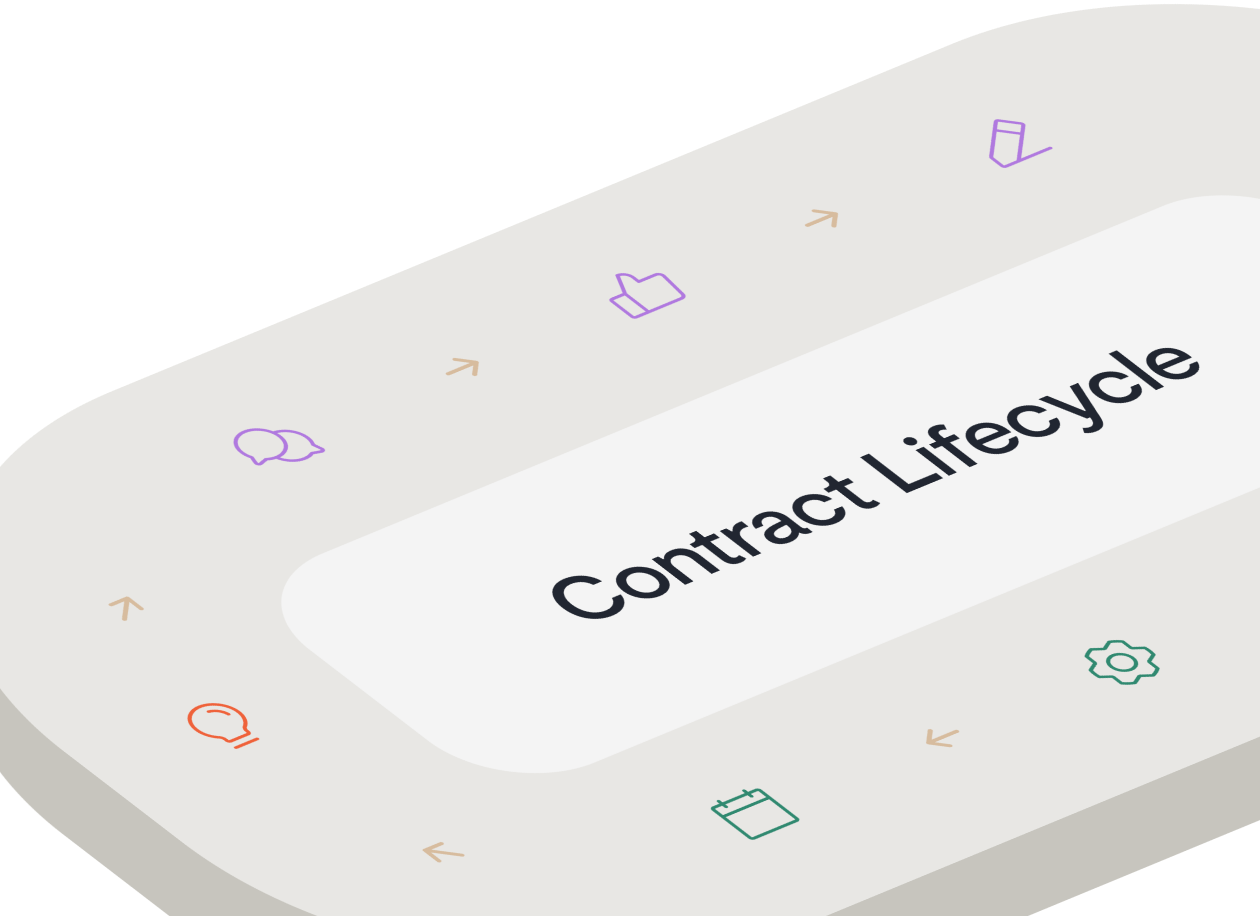
Your contract management strategy should address three core phases: creation, negotiation, and execution. Here’s how each phase works:
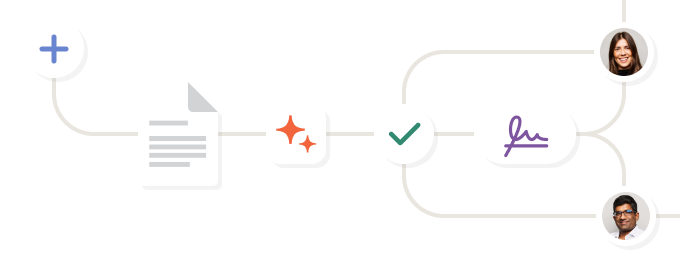
Creation phase: You begin with a structured request that captures all requirements. Automated contract management systems like Ironclad generate contracts from pre-approved templates, reducing drafting time from hours to minutes while maintaining compliance standards.
Collaboration phase: Multiple stakeholders review and negotiate terms to protect business interests. Centralized collaboration tools keep all parties aligned on the current version, eliminating confusion from email threads and outdated documents.
Signing phase: Contracts move through your organization’s approval workflow based on value thresholds and risk levels. After final approvals, all parties execute the agreement through integrated eSignature capabilities.
Tracking phase: You monitor contract performance against agreed obligations and deliverables. Automated dashboards surface upcoming renewals, payment milestones, and compliance requirements before they become problems.
Renewal phase: Strategic renewal management prevents unwanted auto-renewals and identifies opportunities to renegotiate better terms. Automated notifications give you time to make informed decisions about continuing, modifying, or ending vendor relationships.
When you have clear processes for each of these phases, your entire team gains visibility into contract status and next steps, regardless of their role in the organization.
Why you need a contract management strategy
A formalized contract management strategy prevents costly mistakes. Without systematic processes, organizations lose track of renewal dates, miss unfavorable terms during negotiations, and expose themselves to compliance violations that could have been caught during review.
Risk mitigation: Scattered contracts across email and shared drives create security vulnerabilities. A centralized, access-controlled repository with SOC 2 Type 2 certification protects sensitive business agreements from data breaches while ensuring only authorized team members can view confidential terms. Reducing manual handling is equally important for accuracy, especially since 92% of errors in contract management are human errors, according to The 2025 Legal Operations Field Guide. Ironclad is SOC 2 Type 2 certified, so you can rest assured that your contract data is fully protected.
Operational efficiency: Manual contract processes waste your team’s expertise on administrative work. For legal departments without a dedicated operations professional, contract management is one of the top pain-points, second only to the sheer volume of work. Contract automation eliminates repetitive tasks like routing documents for approval, sending reminder emails, and hunting for the latest version—freeing legal teams to focus on complex negotiations and strategic guidance. This shift makes a real difference, with organizations realizing an average 55% improvement across value metrics when using Ironclad, according to The 2025 Contracting Benchmark Report.
Business velocity: Contracts shouldn’t slow down deals. Automated workflows and self-service tools let sales teams generate standard agreements without waiting for legal review, reducing contract cycle times while maintaining consistent compliance standards.
These benefits compound when you implement them through a centralized platform. Having all contracts and related documents in one easily accessible location eliminates the confusion caused by outdated information, which directly reduces legal liabilities. This kind of organization translates into significant time and cost savings across your entire organization. Modern contract management platforms like Ironclad make this possible with collaboration tools like Ironclad Editor and Ironclad Workflow Designer that connect your entire contracting process.
Key elements of a successful contract management strategy
A good strategy isn’t just a vague idea; it’s built on a few core pillars. When you’re putting your plan together, make sure you’re thinking about these four elements.
Centralization
This is ground zero. All your contracts and related data need to live in one place. When agreements are scattered across shared drives, email inboxes, and individual laptops, you have no visibility. You can’t find what you need, you don’t know what your obligations are, and you’re exposed to security risks. A centralized repository gives you one reliable place to find every agreement in your organization.
Standardization
You need to standardize your processes and your language. This means using pre-approved templates for common contracts like NDAs and MSAs. It also means having a library of standard clauses that your team can pull from. Standardization reduces the time your legal team spends reviewing low-risk agreements and ensures consistency across the board. This allows you to allocate resources effectively, which is vital when complex agreements like Master Services Agreements (MSAs) are negotiated 75% of the time compared to just 25% for standard NDAs, as noted in the report.
Automation
This is where you get your time back. Manual tasks are the biggest drain on legal and operations teams. Your strategy should identify every repetitive task that can be automated—from generating a first draft and routing it for approval to sending reminders for key deadlines. Automation frees up your team to focus on high-value work like complex negotiations and strategic advice.
Analytics and reporting
You can’t improve what you can’t measure. Your strategy needs to include a way to track key metrics. How long does it take to get a sales contract signed? Which clauses cause the most negotiation friction? How many contracts are up for renewal next quarter? Having this data helps you spot bottlenecks, make better decisions, and show the impact of your team’s work.
How to build your contract management strategy
Alright, so you’re sold on the idea. But how do you actually build a strategy? It’s a step-by-step process, not something you figure out overnight. Here’s how to approach it.
- Assess your current state: Before you can build something new, you have to understand what’s broken. Map out your current contracting process from start to finish. Where do things get stuck? What tasks take the most time? Talk to the people involved—sales, procurement, finance—and get their honest feedback.
- Define your goals: What are you trying to achieve? Don’t just say “be more efficient.” Get specific. Are you trying to reduce the sales cycle time by 25%? Eliminate all unwanted auto-renewals? Get 100% visibility into your vendor obligations? Clear goals will guide your decisions.
- Choose the right tools: You can’t run a modern strategy on spreadsheets and email. You need a CLM platform that supports your goals. To choose the best contract management software, look for a tool that is easy for non-lawyers to use, has a no-code workflow builder you can manage yourself, and integrates with the systems your business already runs on, like Salesforce or Slack.
- Start with a pilot project: Don’t try to solve everything at once. Pick one or two high-impact, high-volume contract types to start with, like NDAs or simple vendor agreements. Get a quick win, show the value to the rest of the business, and build momentum. According to McKinsey, a good timeframe for a legal tech pilot is one to three months, which lets you work out the kinks before you roll it out to more complex workflows.
- Measure, iterate, and expand: Once your first workflows are live, track your metrics. Are you hitting your goals? Get feedback from users and make adjustments. As you prove the value, you can expand the strategy to other departments and contract types across the organization.
Contract management strategy best practices: the dos and don’ts
Your contract management strategy succeeds or fails based on execution. These proven practices help you avoid common pitfalls that derail implementations and build processes that scale with your organization.
Do: centralize your contract workflows in a single platform
Scattered contracts across email, shared drives, and filing cabinets waste hours of productive time. Legal teams can spend up to 40% of their day just searching for information rather than reviewing agreements or advising on strategy.
A centralized contract management platform solves this problem. Tools like Ironclad let you create, edit, and store all contract data in one searchable location. When someone needs a specific agreement, they find it in seconds instead of digging through email threads.
Centralization also improves cross-functional collaboration. Sales, procurement, and legal teams can all access the contracts they need with appropriate permissions, eliminating bottlenecks caused by one person holding information. Empower your team to take initiative by using a collaborative contract management platform that gives them access to relevant contract process data from a centralized place.
Do: include your staff when planning a contract management strategy
Your team and anyone else involved in the contract lifecycle process will benefit the most from having a contract management strategy that considers their direct needs. Collaboration at every level is critical for a smooth contract process, especially since Gartner research on optimizing the relevant workflow shows that only 42% of legal employees feel leadership did a great job handling the process for new technology.
This is where tools that facilitate collaboration become essential. Ironclad’s Workflow Designer gives you control over your contract management strategy and helps you include your staff in the process. You can use internal comments to mention other users and stay connected with everyone involved on a contract. Hearing from your team during the planning and implementation process ensures everyone is aligned and motivated to take action.
Do: maintain consistency after implementation
Strategy drift happens when teams create workarounds instead of using the established process. Someone starts a contract in email because “it’s faster,” then another person follows suit, and suddenly half your contracts bypass your management system entirely.
Prevent drift by making your process the path of least resistance. Automated workflows should be faster and easier than manual alternatives. When someone tries to work around the system, use it as feedback to identify friction points worth addressing.
Technology can help you maintain consistency even when circumstances change. Ironclad’s AI tools help maintain consistency by automatically flagging contracts that don’t follow your standard templates. Version control ensures everyone works from the same document, and audit trails show exactly what changed and when. The Workflow Designer allows you to easily edit contracts while minimizing manual administrative work.
Of course, real-world situations sometimes require flexibility. When deviations from your standard process are necessary, transparency becomes crucial. Ironclad’s collaboration features empower team members to leave messages for each other within the contract when deviations happen, ensuring everyone understands why changes were made and maintaining the audit trail.
Do: use contract data to drive decisions
Contract data answers critical business questions. Which vendors consistently deliver on time? Which clauses trigger the most back-and-forth during negotiations? Where are you losing money to unfavorable payment terms or missed discounts?
Manual data analysis rarely happens because it takes too long. By the time you’ve compiled information from dozens of contracts, the insights are outdated. Automated contract analytics surface patterns immediately.
This is where modern AI capabilities make the biggest difference. Ironclad offers sophisticated artificial intelligence to analyze your data and show you where you can implement changes. Ironclad’s Dynamic Repository helps you use your data to reduce risks and automate certain business processes to improve contract workflows. You can also embed your contracts with metadata like the names and organizations of the signatories, contract value, the type of contract, and expiration and renewal dates.
Don’t: choose platforms based on feature lists alone
Complex, feature-heavy platforms often promise everything but deliver frustration. Your team spends months in implementation only to realize the tool requires IT support for basic changes, integrations don’t work as advertised, and training requirements exceed your bandwidth.
Feature bloat creates more problems than it solves. You pay for capabilities you’ll never use while the essential functions you need remain buried under complicated interfaces. Poor adoption follows, and you’re back to managing contracts through email.
Choose contract management software that prioritizes usability and customization. Ironclad’s no-code platform lets legal teams build and modify workflows without IT tickets. Native integrations with Google Cloud, Salesforce, and Slack work out of the box, and AI-powered features adapt to your specific clause library and risk parameters. Make contract collaboration and tracking easier for everyone involved by tailoring a workflow that meets your needs and those of your team.
Don’t: rely on memory for contract obligations
Organizations lose significant revenue to contract value leakage; for example, according to World Commerce & Contracting, organizations can lose up to 11% of contract value. Missed renewal dates lead to unwanted auto-renewals. Late payments trigger penalty fees. Forgotten service level agreements result in unclaimed credits.
Your team can’t manually track hundreds of obligations across dozens of active contracts. Someone always forgets a critical date, especially during busy periods when attention is divided.
Automated obligation tracking solves this problem. Tracking your contracts once they are in circulation for approval, revisions, and signing is a crucial stage in contract lifecycle management. Milestones and deadline reminders help everyone in the contract management process stay on track.
Ironclad monitors every contract for upcoming milestones, renewal windows, and deliverable deadlines. Notifications go to the right stakeholders at the right time, giving them days or weeks to act instead of scrambling at the last minute. You can configure alerts based on contract value, risk level, or department to ensure critical agreements get appropriate attention.
Transform your contract management strategy
A successful contract management strategy combines clear processes, centralized technology, and consistent execution. Start by defining your contract lifecycle stages and identifying where bottlenecks occur today. Implement a platform that automates routine tasks while giving you visibility into every agreement. Then maintain consistency through training, feedback, and continuous improvement.
Modern contract management platforms like Ironclad give you pre-built templates, workflow automation, AI-powered analysis, and enterprise-grade security. Customers report 90% faster contract turnaround times and significant reductions in legal team workload. Ironclad integrates easily with the systems you already use, like Dropbox, Google Drive, and OneDrive. You get enterprise-grade security to protect your data, and access to a team that helps you design a system tailor-made to your requirements.
Ready to see how a strategic approach to contract management can transform your legal operations? Request a demo today to explore how Ironclad can help you implement a contract management strategy that scales with your business.
Frequently asked questions about contract management strategy
What are the 5 steps of contract management?
The five basic steps are creation, negotiation, signing, tracking, and renewal. A good strategy builds a clear, repeatable process around each of these stages to ensure no detail is missed.
What are the 4 blocks of good contract management?
This framework usually refers to strategy, delivery, development, and structure. “Strategy” is your overall plan. “Delivery” is how you execute it day-to-day. “Development” is how you improve over time. And “structure” covers the people and tools you have in place.
What are the 4 Cs of contracts?
This refers to the attributes of a solid contract: clarity, certainty, consensus, and consciousness. Clarity means the terms are easy to understand. Certainty means the language is precise. Consensus means all parties agree. And consciousness means everyone understands they are entering a legally binding agreement.
Ironclad is not a law firm, and this post does not constitute or contain legal advice. To evaluate the accuracy, sufficiency, or reliability of the ideas and guidance reflected here, or the applicability of these materials to your business, you should consult with a licensed attorney. Use of and access to any of the resources contained within Ironclad’s site do not create an attorney-client relationship between the user and Ironclad.