













What Is Contract Compliance?
Contract compliance is what holds your operations to both external and internal standards. It includes setting goals, metrics to meet those goals, and audits to keep on track.
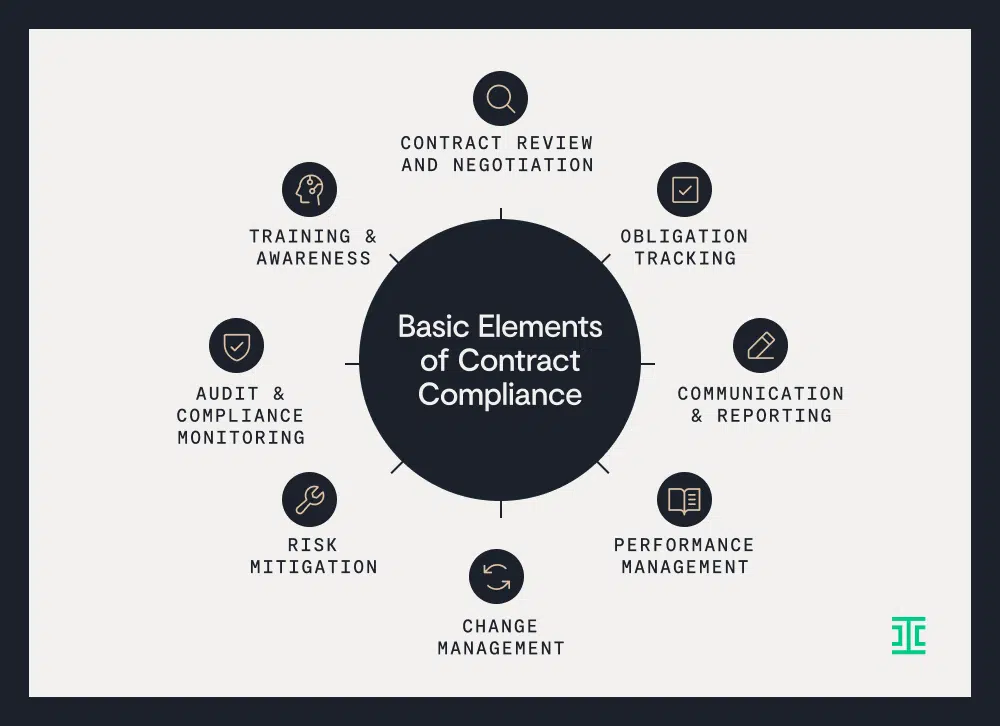
Table of Contents
- What is contract compliance?
- Contract compliance challenges
- How do you ensure contract compliance?
- Best practices for contract compliance
- Contract lifecycle management
- How technology makes contract compliance easier
- Frequently asked questions about contract compliance
Want more content like this? Sign up for our monthly newsletter.
Key takeaways:
- Implement a contract lifecycle management system to prevent significant revenue loss, as businesses lose nearly 9% of annual revenue through poor contract management but can recover 2% by using robust CLM platforms with automated tracking and alerts.
- Establish three foundational elements for effective contract compliance: strong contracts with clear measurable standards, workflows that track compliance throughout the contract lifecycle, and flexible systems that allow for improvements when circumstances change.
- Adopt contract lifecycle management technology to centralize contract storage and automate compliance monitoring, addressing the reality that 71% of companies lose track of contracts and 92% of contract management errors result from manual processes.
- Conduct regular audits at multiple levels (daily, weekly, and comprehensive mid-contract reviews) and document performance obligations with specific metrics to maintain accountability and identify areas for process improvement.
What is contract compliance?
Contract compliance is the process of fulfilling and supporting your obligations under a contract. These obligations may come from the contract itself, government regulations, accreditation requirements, or internal business objectives like sustainability governance. It measures how well your business follows internal and external standards. Each contract you enter will have a set of goals and often checkpoints on the way there. Complying with the contract means meeting all those goals, and it often extends beyond basic requirements to improve your business and contract writing processes.
Legal teams often manage multiple contracts at different stages simultaneously, so they need contract compliance systems to help them track all these obligations and keep everyone accountable.
Creating contract compliance
Contract compliance requires three key elements working together.
First, you need strong contracts with clear, measurable compliance standards built in. Second, you need workflows that let you track compliance throughout the contract lifecycle and respond to audits. Third, you need a flexible system that keeps operations on target while allowing for improvements when circumstances change.
Together, these elements keep your operations aligned with both external regulations and internal standards.
Why is contract compliance important?
Contract compliance increases efficiency and reduces multiple types of risk. Strong compliance also improves your chances of contract renewals and expansions.
The financial risks alone make compliance worth the investment—businesses lose nearly nine percent of annual revenue through poor contract management. However, you can prevent two percent of that leakage by implementing a robust value leakage mitigation strategy with a contract lifecycle management (CLM) system, according to The 2025 Contracting Benchmark Report. Consider currency and commodity fluctuations as one example. International contracts measured in monetary units face variable costs as exchange rates shift. Commodity prices can fluctuate wildly, as nickel prices did in 2022 at 250% over just two days, affecting the real cost of contract fulfillment.
A good compliance system automatically monitors these variables. It alerts the right people when thresholds are crossed and triggers necessary actions to keep you compliant.
One of the things I absolutely love about Ironclad is the reporting function.”
Heather QuinnContracts Administrator, Cofense
Contract compliance challenges
Let’s be honest—managing contract compliance feels like a constant uphill battle, especially when you’re already stretched thin. You’re not just imagining it; the challenges are real.
You’ve got contracts scattered across shared drives and email inboxes—71% of companies can’t find 10% of their contracts—making it impossible to get a clear picture of your obligations. Key dates and renewal deadlines sneak up on you because you’re stuck tracking everything in a spreadsheet that’s outdated the second you close it.
Then there’s the issue of consistency. The sales team is using an old template, procurement went rogue on a vendor agreement, and now you have to clean up the mess. This lack of standardization doesn’t just create more work; it introduces real risk. Every non-standard clause is a potential liability you don’t have time to hunt down.
And here’s the thing—trying to enforce compliance manually just doesn’t scale. It also leaves you vulnerable to mistakes, given that 92% of errors in contract management are human errors, according to The 2025 Legal Operations Field Guide. As the business grows, the number of contracts multiplies, and what was once manageable becomes a source of constant anxiety. Without centralized visibility, you’re always reacting instead of getting ahead of problems.
How do you ensure contract compliance?
So, how do you get a handle on all this? Ensuring compliance isn’t about a single magic bullet; it’s about building consistent processes that you can apply to every agreement, even as your contract volume grows and standards change.
Here are the essential steps to ensure compliance across all your contracts:
- Maintain a library of contract examples. These examples speed up new contract creation and show you how you’ve structured compliance measures in the past.
- Set milestone goals throughout the contract lifecycle. The contract’s end date isn’t your only target—interim goals help you stay on track and catch problems early.
- Define clear metrics for each goal. Once you know what you’re measuring, determine how you’ll track it—whether through specific numbers like units shipped or qualitative checks like client satisfaction calls.
- Establish clear roles for every task. Contract fulfillment involves multiple people and departments, so everyone needs to understand their specific responsibilities.
- Create standardized processes for recurring work. Good processes should remain consistent unless audits reveal inefficiencies that need correction.
- Conduct regular audits to verify compliance. Schedule both proactive and reactive audits throughout the contract lifecycle, then apply what you learn to improve your processes.
- Make adjustments based on audit findings. Change your processes when data shows they’re not working efficiently—this continuous improvement cycle makes invisible problems visible.
- Stay current with compliance technology. Tools have evolved from basic spreadsheets to contract management software to modern contract lifecycle management platforms that track multiple features simultaneously.
Best practices for contract compliance
Effective compliance goes beyond just meeting your obligations. It involves creating a culture of compliance that gives you visibility into which goals you’re meeting, where you’re headed, and how well your processes are working. These practices help you build that comprehensive view.
- Use a dynamic contract repository to turn your static contracts into information you can actually use. A modern repository does more than store and retrieve contracts—it converts them into data you can use to make strategic decisions. You can generate reports on upcoming deadlines to plan staffing needs or identify high-performing clauses to recommend in new agreements.
- Document all performance obligations clearly. Review each contract and list everything required for compliance, breaking large tasks into smaller, measurable components. Then develop specific metrics for each obligation.
- Choose metrics that measure what matters. The challenge isn’t collecting numbers—it’s ensuring those numbers track your actual goals. Counting total sales is easy, but it doesn’t account for market exposure or customer diversity.
- Conduct frequent, regular audits at multiple levels. Daily production counts keep you on target and catch errors like typos. Weekly vendor check-ins ensure mutual needs are met. Build automatic audits into your system, and consider comprehensive mid-contract reviews.
- Be ready to adapt based on audit results. Unexpected information from metrics or audits signals the need for process changes. Once you find a more efficient process, document it with the contract and add it to your template repository for future use.
Contract lifecycle management
Today’s contract compliance enforcement starts with contract lifecycle management. Managing contracts over time means incorporating metrics, audits, and adjustments into your management system from day one. When you treat all contracts as dynamic documents, you get the feedback you need through multiple touch points in the system. This approach lets you form standardized workflows that work across multiple contracts and simplify contract creation. A lifecycle-focused system ensures you’re able to efficiently complete your contractual obligations.
Streamlining the process
Modern contract management platforms streamline both contract creation and compliance measurement. Each completed contract becomes a template for future agreements, letting you reuse proven elements.
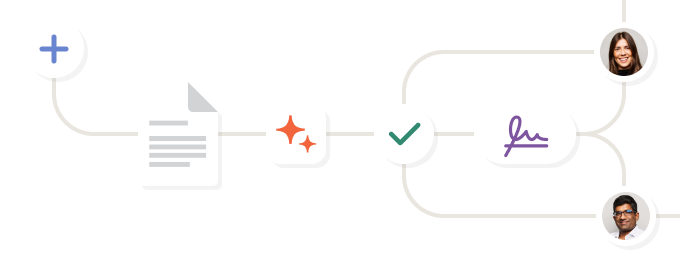
Ironclad’s Workflow Designer, for example, centralizes contract creation through drag-and-drop interfaces. You select from previously successful contract elements, creating standardization without sacrificing efficiency. Contracts automatically route to the right people at the right time, giving you complete visibility into their progress.
These automated workflows also improve compliance. When you use contract elements that have already cleared regulatory and internal approval processes, future contracts inherit that compliance automatically.
Collaborative editors enable team input throughout the process. Team members can add questions or suggestions as notes on the main document and tag colleagues for input—all within a common format (.DOCX) that works on any computer without special software. Every contract can be individually tailored even though it comes from a standard set of sections.
Plus, our dynamic repository serves as more than a storage system. It has an AI assistant layer operated by natural language search that lets you you search contracts by group criteria, not just individually. If a subcontractor falls behind on deliverables, you can instantly pull all affected contracts, notify stakeholders, and reroute workflows to meet deadlines.
Remaining compliant
Contract compliance extends beyond initial agreement terms. It means staying compliant throughout the entire contract lifecycle, even as circumstances change around you. This dynamic approach to contract management lets you adjust when shipping slows down from a country where you buy components, then scale up staffing when that backlog of supplies finally arrives all at the same time.
Laws and regulations change regularly. You may be in the middle of a contract when the law changes, which means you’ll then have to increase security mechanisms or decrease greenhouse gas emissions. With lifecycle management, you keep your contracts completely updated and are able to adjust your people and processes to meet these new requirements.
How technology makes contract compliance easier
Relying on spreadsheets and manual follow-ups for compliance is like trying to build a house with a hammer and a prayer. With nearly 60% of organizations still reviewing contracts by hand, it’s not a sustainable strategy. This is where technology—specifically a contract lifecycle management (CLM) platform—makes a real difference. Instead of chasing information, you create a single, reliable place where every contract lives.
Imagine having a dashboard that automatically flags upcoming renewal dates, tracks obligations, and alerts you to non-standard clauses during review. That’s not science fiction; it’s what modern CLM tools do. In fact, tracking and managing supplier contractual commitments is the most common AI contracting use case across all industries, according to The State of AI in Procurement 2025 Report. They turn your static contracts into searchable, reportable data. You can see which terms are causing negotiation bottlenecks or identify all agreements with a specific liability clause in seconds.
And with AI features, you can automate the first-pass review of third-party paper, letting your team focus on high-risk issues instead of tedious line-by-line checks. This isn’t about replacing legal expertise; it’s about augmenting it so you can work smarter and build a robust compliance culture that connects your work to business outcomes.
Compliance measurement needs to be a process that is both flexible and standardized. A contract lifecycle management platform is designed to help you meet those seemingly contrasting goals. Through features like Ironclad’s Dynamic Repository and the Workflow Designer, you can collect data from your compliance activities and use it to improve future contracts and compliance. If you’re ready to see how this works in practice, request a demo today.
Frequently asked questions about contract compliance
What are the key areas of contract compliance?
Contract compliance covers five key areas: delivery obligations (meeting deadlines and specifications), payment obligations (timely and accurate payments), performance standards (maintaining quality and service levels), confidentiality requirements (protecting sensitive information), and regulatory compliance (adhering to industry and government regulations).
What does a contract compliance specialist do?
A contract compliance specialist monitors contract performance to ensure all parties meet their obligations, tracks key dates and deliverables, conducts regular compliance audits, and coordinates with stakeholders to resolve compliance issues before they become problems.
How do you monitor contract compliance effectively?
Effective monitoring requires automated tracking systems that alert you to upcoming obligations, regular audits that verify performance against contract terms, clear metrics for measuring compliance, and centralized dashboards that give all stakeholders visibility into contract status and potential issues.
Ironclad is not a law firm, and this post does not constitute or contain legal advice. To evaluate the accuracy, sufficiency, or reliability of the ideas and guidance reflected here, or the applicability of these materials to your business, you should consult with a licensed attorney. Use of and access to any of the resources contained within Ironclad’s site do not create an attorney-client relationship between the user and Ironclad.