












A Centralized Purchasing Process: The Key to Your Company’s Growth
It’s never too early to adopt a purchasing process for your company in order to control spend and avoid risk — but it doesn’t have to be complicated.

Table of Contents
- What is procurement and why does it matter for your business?
- Procurement vs purchasing: understanding the difference
- Types of procurement every business should know
- What is a purchasing process?
- How CLM can help streamline your purchasing process
- Key benefits of CLM for managing your purchasing process
- Three case studies on centralizing purchasing processes
- Put your vendor contract data to work with Ironclad
- Frequently asked questions about procurement processes
Want more content like this? Sign up for our monthly newsletter.
Key takeaways:
- Centralize your purchasing process before reaching $500 million in annual spending to immediately eliminate duplicate expenses, renegotiate bloated contracts, and end relationships with risky vendors.
- Recognize that procurement encompasses the entire strategic framework from identifying needs through managing supplier performance, while purchasing is merely the transactional step of cutting purchase orders and paying invoices.
- Implement contract lifecycle management software to centralize vendor agreements, automate approval workflows, and gain complete spending visibility that helps identify duplicate vendors and poorly negotiated terms.
- Embed risk management and vendor due diligence into your purchasing process upfront to ensure compliance with regulations like GDPR and CCPA before finalizing purchases rather than addressing issues reactively.
Every vendor contract sitting in your filing cabinet represents a relationship that could be saving you money—or quietly draining it. You know this if you’ve ever discovered duplicate software subscriptions during budget reviews or realized a vendor has been auto-renewing at inflated rates for years.
The reality is that most companies handle their purchasing through a patchwork of processes scattered across departments. Procurement—the systematic process organizations use to acquire goods and services from external vendors—encompasses everything from identifying suppliers and negotiating contracts to managing vendor relationships and tracking performance. The scale of this activity is massive; for example, the U.S. federal government alone purchases around $665 billion in goods and services from contractors annually.
Most companies delay formalizing their procurement processes until they reach $500 million in annual spending. However, every purchase decision your organization makes creates vendor relationships with inherent risks and costs that directly impact your bottom line.
A centralized purchasing process transforms these scattered buying activities into a strategic advantage. Looking into how your employees spend is a straightforward way for any company to improve its business health. It can lead to immediate benefits like eliminating unnecessary or duplicate expenses, renegotiating bloated contracts, and ending relationships with risky vendors.
This guide will walk you through how to start centralizing your purchasing process, complete with examples from companies who have undergone the process themselves.
What is procurement and why does it matter for your business?
Let’s get straight to it. Procurement isn’t just about buying stuff. It’s the whole strategic process of getting the goods and services your company needs to run—from finding the right vendors and negotiating terms to managing those relationships long-term. Think of it as the brain behind your company’s spending.
Why does it matter? Because a smart procurement process saves money, reduces risk, and makes sure your teams have what they need to do their jobs without getting bogged down. For example, research found that altering the selection criteria in procurement can drive strategic goals, such as increasing the use of environmental materials by 20 percentage points. Get it right, and you’re not just managing expenses; you’re contributing directly to the company’s strategic goals. In fact, seventy-nine percent of procurement professionals using AI say it has helped them achieve business goals more easily, according to The State of AI in Procurement 2025 Report.
Procurement vs purchasing: understanding the difference
People use ‘procurement’ and ‘purchasing’ interchangeably all the time, but they’re not the same thing. Here’s the simple breakdown: Purchasing is the transactional part—cutting a purchase order, paying an invoice. It’s a step in the process.
Procurement is the entire strategic framework. It includes everything from identifying a need and sourcing vendors to negotiating contracts and managing supplier performance. Purchasing is about buying things; procurement is about buying things the right way.
Types of procurement every business should know
Procurement activities vary. They usually fall into a few key categories, and understanding them helps you see where the money is really going.
- Direct procurement: This is for anything that goes directly into your final product—think raw materials for a manufacturer or server space for a software company.
- Indirect procurement: This covers everything else you need to run the business, like office supplies, software licenses, or marketing services. It’s the operational spend.
- Services procurement: This is all about hiring people and expertise—contractors, consultants, or professional services firms.
Each one has its own quirks and requires a slightly different approach to manage effectively.
What is a purchasing process?
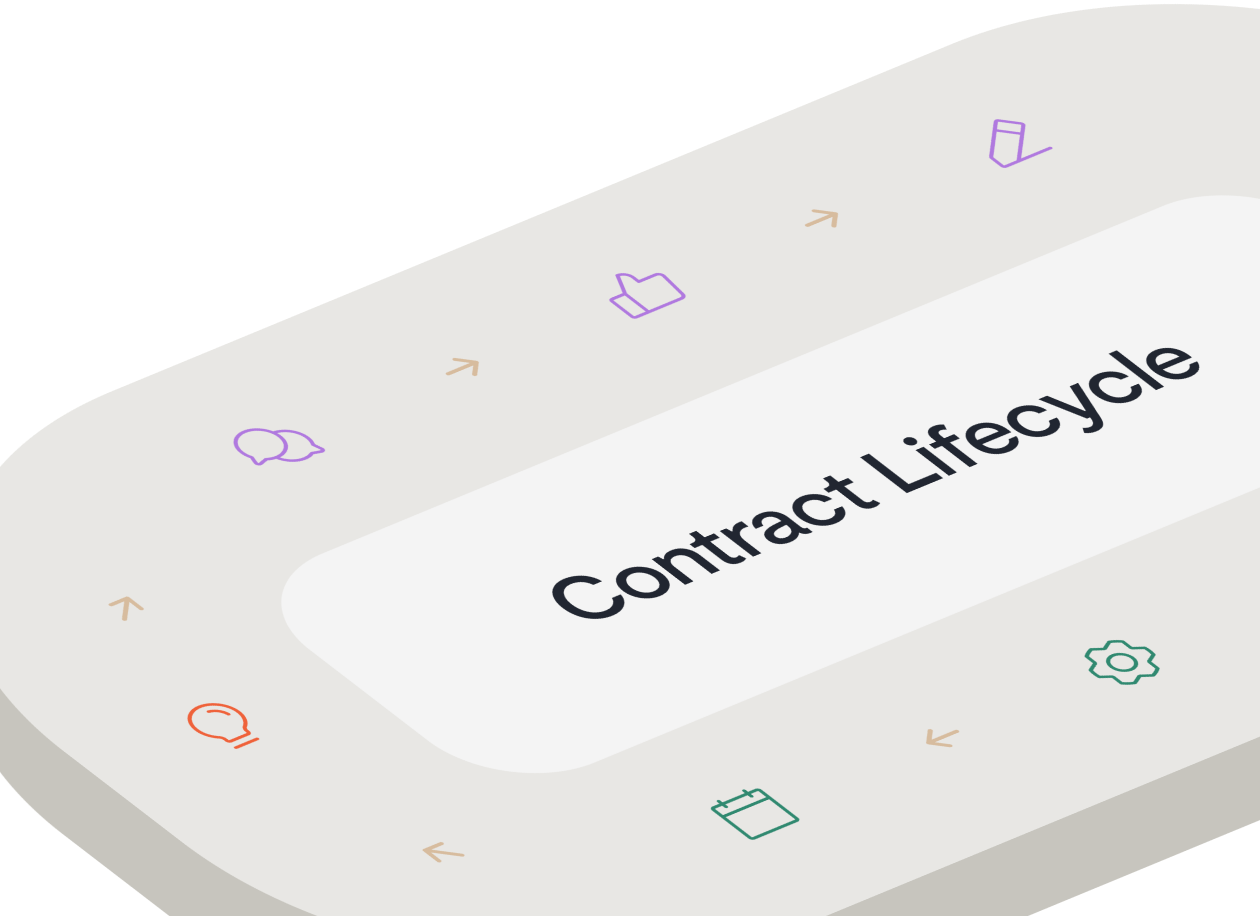
A purchasing process is the structured workflow organizations use to acquire goods and services from external suppliers. This process covers all business expenses outside of payroll, including technology purchases, office supplies, professional services, and vendor contracts.
The typical purchasing process breaks down into four core activities that most companies use, whether they’re formal about it or not. First, sourcing identifies potential vendors and collects competitive quotes. Second, purchasing secures internal approvals and finalizes contract terms. Third, payment processing handles vendor compensation through accounting systems. Fourth, obligation management tracks renewals and monitors vendor performance over time.
Here’s how those activities play out in practice:
Source: identify vendors and collect quotes
Sourcing is where you figure out who can actually deliver what you need, and a thoughtful process can address strategic goals like supplier diversity. In federal procurement, for example, firms owned by women receive only 4.85% of federal contracts despite making up 20% of small businesses. Most companies handle sourcing in one of three ways, depending on how mature their procurement is and how complex the purchase.
Request for Proposal (RFP) processes work well for big, complex purchases where you need to compare multiple vendors on detailed criteria. You send standardized questionnaires to potential suppliers and evaluate their responses side by side.
Pre-approved catalogs are the opposite approach—you maintain a list of vetted vendors with pre-negotiated terms. Buyers just pick from approved options, which speeds things up while keeping everyone compliant.
Business-user-led sourcing gives individual departments the freedom to research and identify vendors on their own. It’s flexible, but you need proper oversight to avoid future compliance issues.
Purchase: getting the green light to buy
Once the buyer has selected a vendor, they’ll get the internal green light to make the purchase by collecting approvals from different departments and executive sponsors. The legal team, or whoever else is responsible for contract review at the business, will review, negotiate, and approve the terms of the vendor contract.
Pay: accounting handover
Once the contract has been approved, the company needs to pay the vendor. This typically involves a handover via an ERP (enterprise resource planning) or accounting system or directly to your accounts payable team to manage the recurring expense.
Manage obligations: know your upcoming responsibilities
Even after the purchase has been made, someone has to keep track of renewals and continually evaluate the vendor relationship. The sheer volume of these external relationships can be immense; in the U.S. national government, the number of contract and grant-funded workers totals 3.3 million. Depending on the company, this responsibility could fall to the business user or even the operations team.
Here’s the reality: when companies don’t have dedicated procurement teams, these responsibilities get distributed across legal, finance, and operations. Each team handles the pieces they’re best equipped for.
Legal teams handle contract review and vendor negotiations. They ensure compliance with regulatory requirements and protect the organization from contractual risks.
Finance teams manage budget approvals and payment processing. They track spending against budgets and monitor ongoing financial obligations throughout vendor relationships.
Operations teams coordinate purchasing workflows across departments. They standardize processes, consolidate vendor relationships, and optimize efficiency across all business units.
How CLM can help streamline your purchasing process
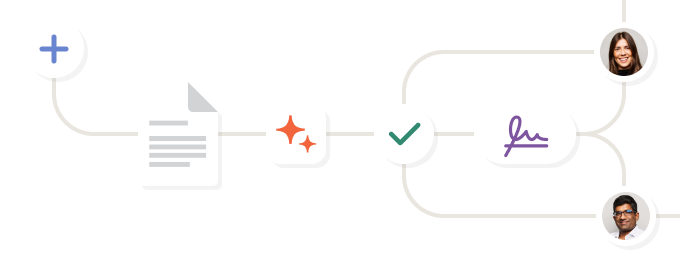
Contract lifecycle management (CLM) software centralizes and automates your purchasing processes by managing all vendor interactions in a single platform. Instead of having contracts scattered across email threads and shared drives, CLM solutions provide complete visibility into procurement activities across departments while streamlining approval workflows.
The automation piece is where you really see the time savings. CLM platforms automatically route contract changes to appropriate approvers based on predefined rules. This eliminates version control issues and reduces the back-and-forth communication that typically slows procurement cycles. The impact is significant: the report shows 80% of procurement teams use AI during contracting, rating its benefits an average of 8.24 out of 10.
But it’s the proactive management that prevents the expensive mistakes. Automated notifications ensure stakeholders stay informed about contract deadlines and renewal dates. This proactive approach prevents missed obligations and helps organizations avoid late fees or service disruptions.
Further, vendors can be vetted to assure their General Data Protection Regulation (GDPR) and California Consumer Privacy Act (CCPA) compliance, and these compliance regulations are kept current, saving your company legal exposure. These are advantages any company can benefit from, not just the Fortune 500.
But what if you don’t have a procurement department? Legal, finance, and ops all have input and an interest in purchasing and agreements. With all parties and departments contributing and referring to one cohesive platform, this fundamental aspect of business becomes automated and useful instead of scattered across stored files.
Key benefits of CLM for managing your purchasing process
1. Control spend: protect company profit margins by managing spend across the organization
Spend control in procurement means systematically managing and optimizing organizational purchasing to protect profit margins and eliminate waste. The most significant savings often come from discovering problems you didn’t know you had.
CLM platforms provide complete spending visibility by centralizing all vendor agreements in a searchable repository. This visibility allows organizations to strategically direct funds, similar to how the federal government allocated $145.7 billion to small businesses in one fiscal year. With this control, companies can identify significant cost savings by discovering duplicate vendors, rogue purchases, and poorly negotiated terms.
The ongoing monitoring prevents revenue leakage through missed renewals and price escalations. CLM systems track auto-renewal dates and flag price increases before they impact budgets, helping procurement teams renegotiate terms proactively.

2. Reduce risk: remove as much contractual, financial, regulatory, or data-privacy-related risk from the purchasing process as possible
When business users make purchases, speed is often prioritized over due diligence, a risky approach as the number of vendors grows—the pool of federal contractors alone saw a 15% increase between 2015 and 2022. However, addressing risk post-purchase is far less effective and often causes confusion. CLM can help embed due diligence into your purchasing process to ensure vendors meet compliance standards before you buy.

Procurement aims to remove as much risk from a purchase as possible. Common risks addressed are:
- Contractual
- Corporate and regulatory compliance
- Data security
- Overhead/Maintenance
3. Procure quickly: acquire goods and services at the rate the organization requires to achieve internal goals.
Business moves fast. By removing manual processes around document generation, collaboration, and negotiation, business users can buy faster with all the right approvals across departments.

Three case studies on centralizing purchasing processes
How Ironclad’s head of finance built our procurement process
Sometimes the best way to understand how procurement centralization works is to see it in action. In this video, Elliot explains how we created our own procurement process and shows you the actual workflow we use internally for managing vendor purchases.
How Iterable’s associate general counsel standardized the vendor contracting process
Here’s another real-world example of centralized purchasing in action. An associate corporate counsel at the marketing automation company Iterable shares how his team went from ad hoc vendor management to a standardized process that eliminated the time-consuming work of building reports and tracking contract data manually.
How Cofense found the right CLM for their purchasing process
Not every CLM implementation goes smoothly the first time. Cofense, a phishing defense company, tried implementing another CLM platform first and found it created far more work than it solved. Their experience shows why the right platform matters—after switching to Ironclad, they went from a contracting system based on email logs to having robust reporting capabilities and 100% adoption across all departments including sales, legal, and procurement.
Put your vendor contract data to work with Ironclad
Getting a handle on expenses is a straightforward way for any business to make significant improvements. The trick is understanding that expenses and financials are not only a concern for accounting.
Every expense in a business is to some degree a legal department concern, too—certainly, the more significant deals and revolving contracts are negotiated and signed off and kept track of by legal. But the bulk of business contracts, even seemingly mundane purchasing, can be varied and complex, allowing mistakes and liabilities when scattered around a company without reporting ability.
The overall advantage of using Ironclad to centralize your purchasing process is your ability to distill that information from various sources of software and departments, to organize it into templates that catch the small print and provide a coherent view of the most pertinent information—due dates, renewals, etc.—helping your department, and company, to be proactive rather than reactive.
Interested in learning how Ironclad can help your company centralize your purchasing process? Request a demo today.
Frequently asked questions about procurement processes
How many steps are in the procurement process?
You’ll see lists with five, seven, or even 10 steps, but they all cover the same basic ground. Don’t get hung up on the exact number. The core stages are always: identifying a need, sourcing and vetting suppliers, negotiating the contract, getting approvals and making the purchase, receiving the goods or services, and finally, managing the vendor relationship and performance over time. The level of detail just changes how you break those stages down.
What’s the most important part of the procurement process?
Honestly, it’s the upfront work: sourcing and negotiation. Getting the right vendor and the right terms in the contract from the start saves you countless headaches down the road. A good contract provides clear direction for the entire relationship. Everything else, from payment to performance management, flows from what you agree to in that initial document.
Can a small company have a procurement process?
Absolutely. You don’t need a massive team or expensive software to start. It can be as simple as creating a checklist for anyone making a purchase over a certain dollar amount. The goal is just to bring some consistency and visibility into how the company spends money. Starting small is better than having no process at all.
Ironclad is not a law firm, and this post does not constitute or contain legal advice. To evaluate the accuracy, sufficiency, or reliability of the ideas and guidance reflected here, or the applicability of these materials to your business, you should consult with a licensed attorney. Use of and access to any of the resources contained within Ironclad’s site do not create an attorney-client relationship between the user and Ironclad.